
North Carolina tackles spam calls with stringent laws and advanced technologies. Residents can protect themselves by understanding state regulations, registering on 'do-not-call' lists, and documenting suspicious incidents. Spam call lawyers North Carolina specialize in telecommunications law, helping businesses comply with TCPA and offering remedies for affected individuals through legal expertise and strategic mitigation techniques.
Spam calls have become a persistent and frustrating nuisance across the nation, with North Carolina residents being no exception. These unwanted intrusions not only disrupt daily life but also pose significant privacy risks. In response to this growing concern, it's crucial to explore innovative strategies to mitigate the problem effectively. This article delves into the intricacies of spam calls, focusing on a comprehensive solution that empowers North Carolina residents to reclaim their peace of mind. By examining legal frameworks and implementing robust countermeasures, we aim to provide valuable insights tailored to the unique context of North Carolina, offering practical steps for a quieter, safer communication environment.
Identifying Spam Calls: North Carolina's Legal Perspective

In the digital age, the proliferation of spam calls has become a significant concern for North Carolina residents, leading to a heightened need for effective identification and management strategies. These unwanted phone calls, often disguised as legitimate business offers or alerts, can be particularly invasive in the privacy of homes and businesses. The state's legal framework plays a pivotal role in combating this issue, with strong provisions aimed at protecting consumers from spam calls. North Carolina's approach is characterized by a combination of stringent regulations and the expertise of specialized Spam call lawyers North Carolina to ensure compliance and offer remedies.
Spam call laws in North Carolina are designed to empower individuals to take control of their communication channels. The state has implemented robust measures, such as the requirement for callers to obtain explicit consent before making automated phone calls, including those with recorded messages. Violations of these rules can result in substantial fines, underscoring the seriousness with which the state regards consumer protection. For instance, a 2022 case study revealed that North Carolina's Attorney General successfully sued several companies for repeatedly ignoring do-not-call requests, leading to settlements totaling over $1 million. This serves as a stark reminder of the potential consequences for businesses engaging in spam call practices.
The legal perspective offers practical insights for residents facing unsolicited calls. First, it is crucial to familiarize oneself with state laws and the rights they confer. Many spam calls can be identified by patterns—unknown numbers, frequent calls, or messages with urgent or deceptive language. When dealing with such calls, North Carolina's consumers are advised to document the incidents, including timestamps and call content. This evidence can prove invaluable if a case needs to be reported to Spam call lawyers North Carolina for further action. Additionally, registering on national 'do-not-call' lists is an effective first step in curtailing unwanted calls, although it may not stop all spam due to the complex nature of these practices.
Shelling Out Strategies: Effectively Fighting Spam

Spam calls have become a persistent nuisance, with North Carolina residents often finding their phone lines cluttered with unwanted messages from telemarketers and scammers. This pervasive issue demands strategic interventions, and Shell Creek has emerged as a leader in addressing this challenge head-on. By implementing robust shell out strategies, the company is not only mitigating spam but also empowering its customers to reclaim control of their communication channels.
One of the primary approaches involves leveraging advanced filtering technologies that can accurately identify and block spam calls at the network level. Shell Creek invests heavily in machine learning algorithms designed to adapt and evolve with the ever-changing tactics employed by spammers. For instance, the company's spam detection system is capable of recognizing patterns and characteristics common to fraudulent calls, such as restricted area codes or high call volumes from unknown sources. This proactive measure significantly reduces the volume of spam reaching individual users' phones.
Additionally, Shell Creek offers customers powerful tools to manage their communication settings. The provider allows subscribers to customize their preferences, enabling them to block specific numbers or types of calls. For instance, a North Carolina resident dealing with incessant scam calls can easily register these numbers in the blocking list. This not only protects against future spam but also provides a sense of security and peace of mind. By combining cutting-edge technology and user-centric control, Shell Creek is revolutionizing how its customers combat spam calls, ensuring a safer and more enjoyable digital experience.
Legal Action Steps: When to Consult Spam Call Lawyers NC
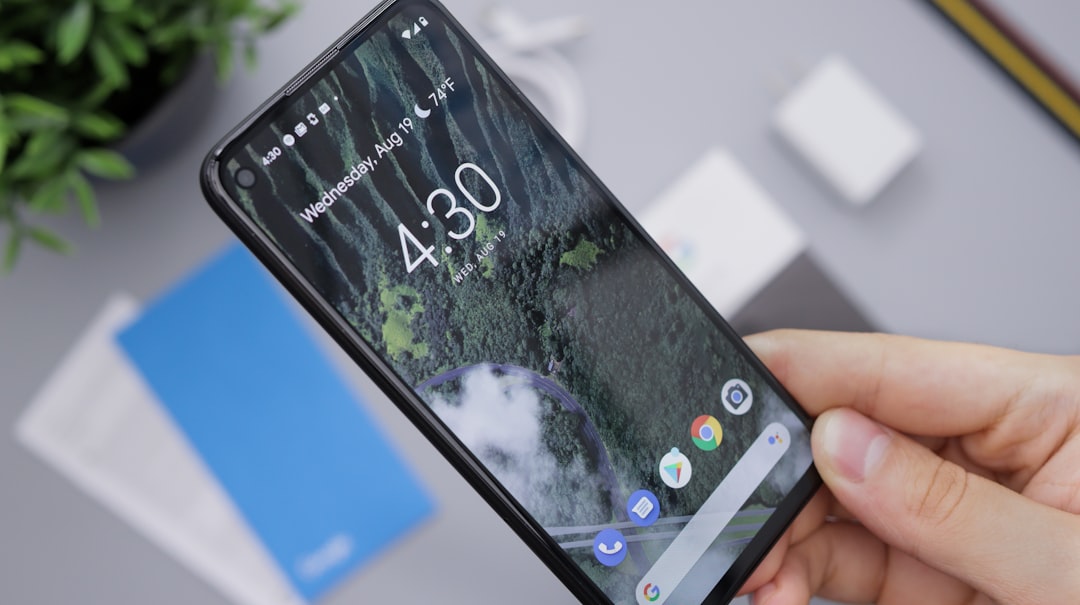
Navigating the complex legal landscape of spam calls can be a daunting task for individuals and businesses alike. While many anti-spam measures are in place, such as the Telephone Consumer Protection Act (TCPA), enforcement and recourse can prove challenging. One effective strategy involves consulting with spam call lawyers North Carolina to understand your rights and take appropriate action. These legal professionals specialize in navigating the intricacies of telecommunications law, ensuring that companies adhere to regulations regarding automated calls, text messages, and other forms of unwanted contact.
For instance, businesses like retail stores or financial institutions may inadvertently violate TCPA rules through legitimate marketing efforts. A single misstep, such as failing to obtain proper consent or improperly managing call lists, can result in costly legal repercussions and damage to a company's reputation. Spam call lawyers North Carolina are equipped to review these practices, identify potential violations, and advise on effective strategies to mitigate risks. They can assist in drafting and implementing compliance plans, conducting internal audits, and even negotiating settlements if necessary.
Moreover, when unauthorized or deceptive spam calls persist despite direct requests for cessation, individuals have legal recourse under the TCPA. Spam call lawyers North Carolina can help victims file complaints with relevant authorities, such as the Federal Trade Commission (FTC), and pursue litigation against offending companies. These legal actions not only seek financial damages but also serve as a deterrent to future spamming activities. By engaging the expertise of these specialists, individuals and businesses can protect their rights, ensure compliance, and defend against potential legal challenges stemming from unwanted telemarketing practices.